

Shielding Your Goods from Humidity During Oversea Transports.
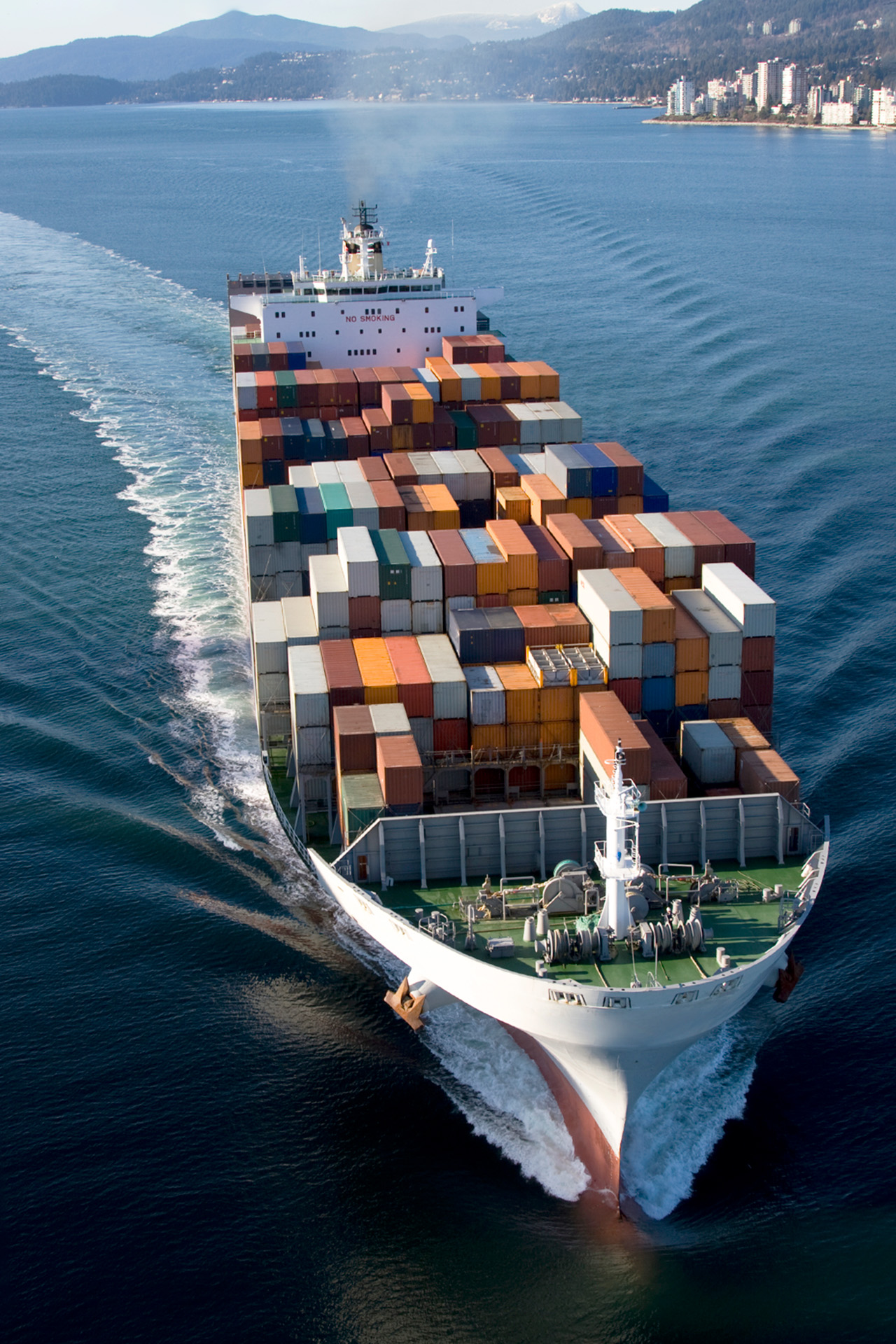
Transporting goods oversea in containers presents a unique set of challenges, particularly when it comes to control excessive humidity. Moisture levels inside a container can fluctuate significantly due to changes in temperature and weather conditions during transit. This can lead to condensation, commonly known as “container rain” which poses a serious risk to the integrity of the goods being shipped.
Excessive humidity in containers can cause a variety of problems, such as:
- Corrosion: Metals and electronic components can corrode, leading to damage and potential failure of parts.
- Mold and Mildew: Organic materials such as textiles, paper, and wood can develop mold and mildew, resulting in spoilage and health risks.
- Packaging Degradation: Moisture can weaken packaging materials, compromising the protection they provide to the contents.
- Product Deterioration: Food, pharmaceuticals, and other sensitive products can deteriorate when exposed to high humidity, affecting their quality and safety.
- Caking of Powders: Powders can absorb moisture and become hard or clumpy, making them difficult to use or process.
- Label Damage: Moisture can cause labels to peel off or become illegible, leading to issues with product identification and traceability.
- Chemical Reactions: Certain chemicals can react with moisture, leading to degradation or hazardous conditions.
- Reduced Shelf Life: Many products, especially food items, can have their shelf life drastically reduced when exposed to moisture.
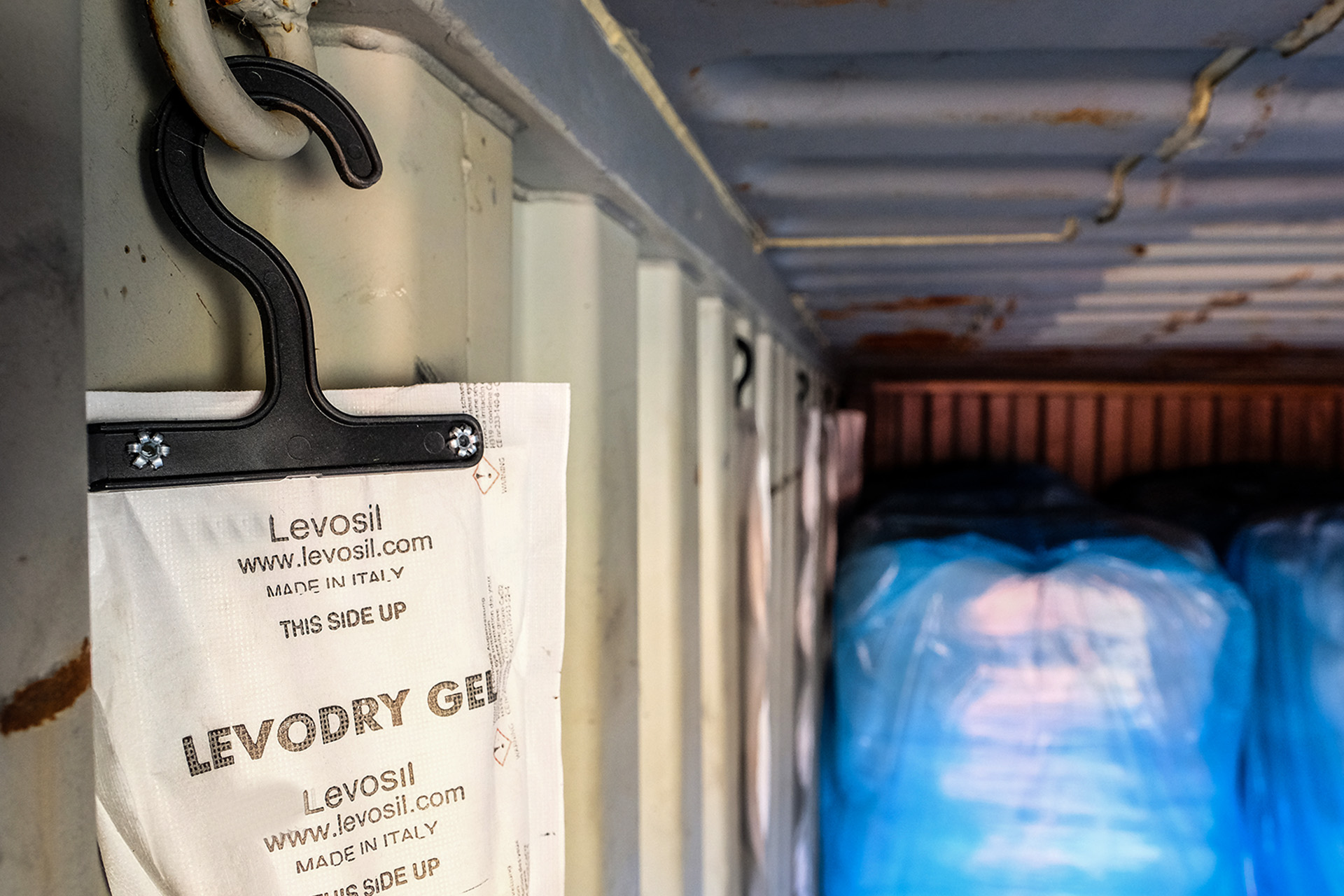
Absorbing moisture inside containers is especially important when transporting mineral water. Excess humidity can compromise the integrity of the packaging, cause label damage, and promote mold growth, thereby affecting the quality of the product upon arrival.
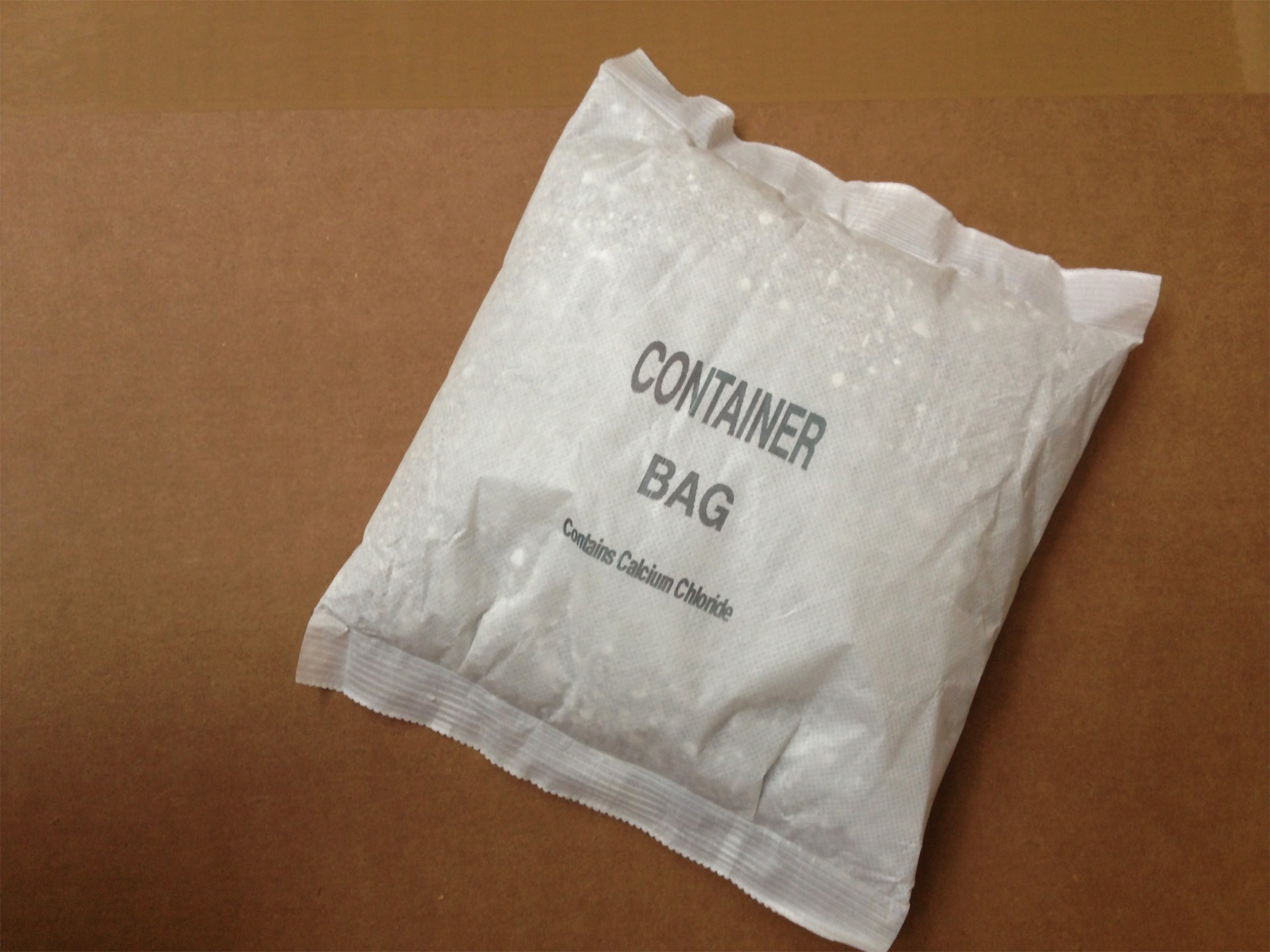
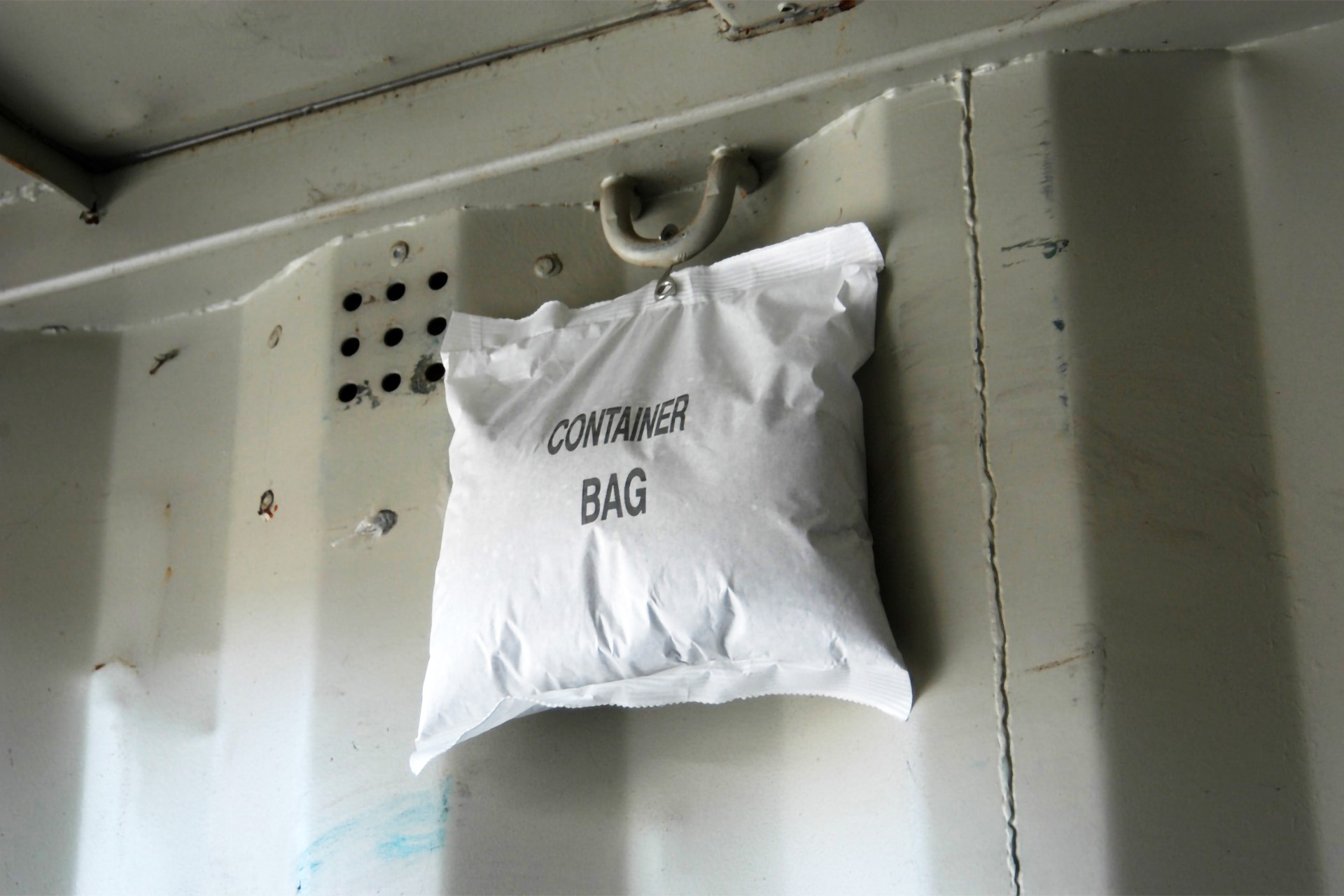
Levosil’s products effectively controls moisture during sea transport, ensuring your goods remain dry and protected from humidity-related damage throughout their journey.
Using desiccants during oversea container transport helps maintain the quality of transported goods and reduces losses due to damage, ensuring your products arrive in optimal condition.
Desiccant bags used inside containers during sea transport are also suitable for safeguarding food shipments, as they do not alter the sensory properties of transported foods and does note emit any gases. These desiccants function solely by removing moisture from the environment.
UFI requirements
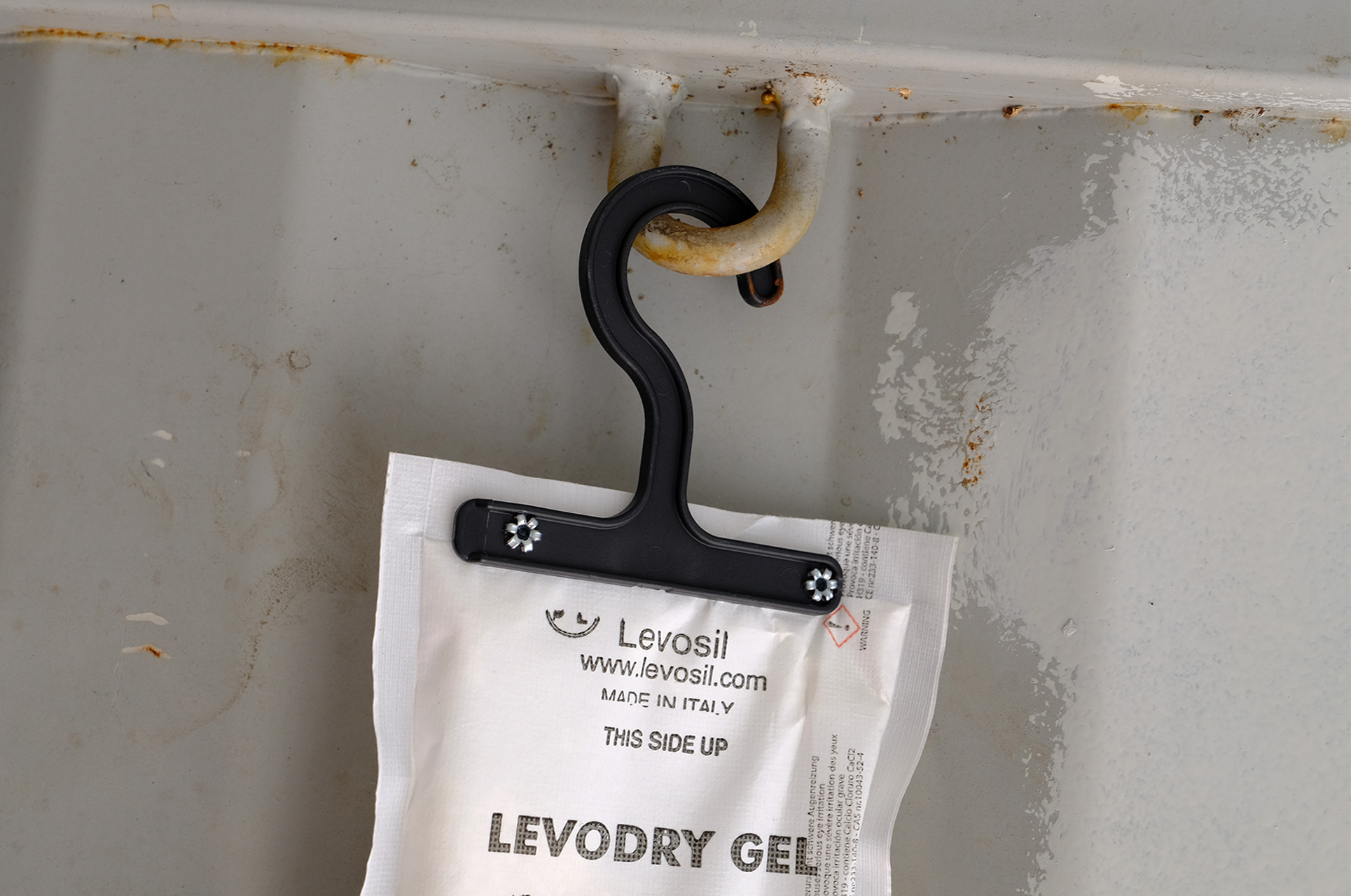
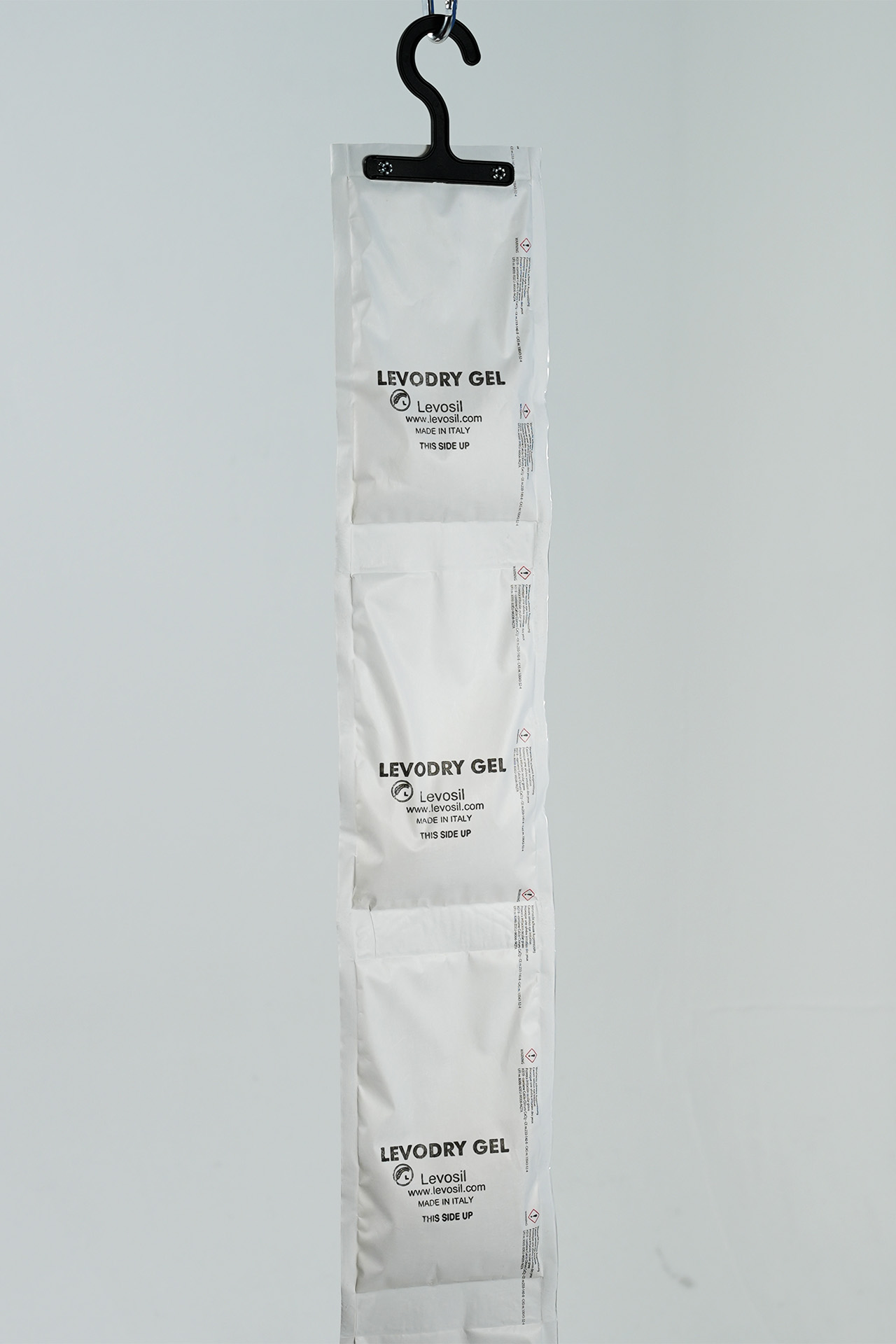
Levodry Gel is fully compliant with the European regulations concerning the UFI (Unique Formula Identifier). As a calcium chloride-based mixture classified as an irritant under the CLP Regulation (EC) 1272/2008, the product falls within those for which displaying the UFI code on the label has been mandatory since 1 January 2025.
Levosil has already completed all the obligations required by law: the mixture has been duly notified to the poison centres through ECHA’s PCN portal and registered with the Italian National Institute of Health (Istituto Superiore di Sanità, ISS). Upon completion of this procedure, the product’s UFI code was generated and validated, and it is now printed in a visible and indelible manner on every pack of Levodry Gel, together with the hazard pictogram and all the required information.
By choosing Levodry Gel, you are therefore guaranteed a product that is already compliant, with no risk of non-conformity for those who resell it or place it on the European market in turn.